While total calorie intake dictates weight loss, the composition of those calories—your macronutrients—dictates how your body looks and functions. A successful diet balances proteins, fats, and carbohydrates according to your specific goals and physiology.
Protein: The Preserver
Protein is the most crucial macronutrient when in a caloric deficit. It is highly satiating, meaning it keeps you fuller for longer. More importantly, consuming adequate protein (typically 0.8 to 1.2 grams per pound of body weight) ensures that the weight you lose comes from fat stores rather than hard-earned muscle tissue. Protein also has the highest Thermic Effect of Food (TEF), meaning your body burns more calories digesting it compared to fats or carbs.
Dietary Fats: The Hormonal Foundation
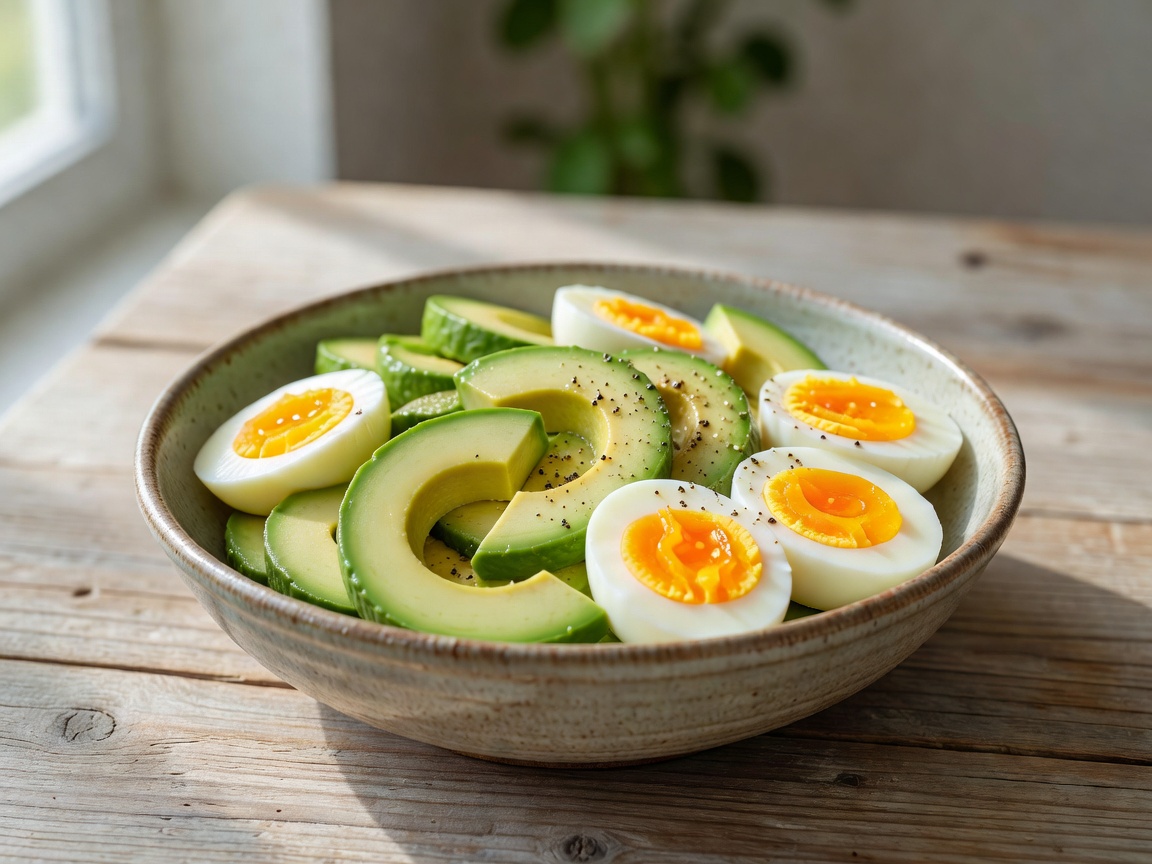
The "low-fat" craze of the 90s did more harm than good. Dietary fats are essential for the production of hormones, including testosterone and estrogen. They are also necessary for the absorption of fat-soluble vitamins (A, D, E, K). Aim to get at least 20-30% of your total daily calories from healthy fats like avocados, nuts, seeds, and olive oil. Avoid trans fats entirely.
Carbohydrates: The Energy Source
Carbohydrates are not the enemy; they are your body's preferred source of rapid energy, especially for high-intensity workouts. The key is choosing complex, fibrous carbohydrates (sweet potatoes, oats, vegetables) over refined sugars. Complex carbs provide sustained energy releases and keep blood sugar levels stable, preventing sudden hunger spikes.
Finding your ideal macro split requires experimentation. A common starting point for weight loss is 40% Protein, 30% Fats, and 30% Carbohydrates, adjusting based on energy levels and progress.